Felixing: Flexibility & Innovation for Modern Work
In an age where adaptability defines success, the concept of It is rapidly emerging as a game-changer. Once used informally to describe an ability to “stay flexible under pressure,” felixing has evolved into a philosophy for modern organizations, creators, and professionals striving for balance between agility, innovation, and human-centric work.
Today’s workplaces are transforming faster than ever. Hybrid teams, AI-driven workflows, and global collaboration demand more than just flexibility — they demand felixing: the art of blending structure with creativity, consistency with adaptability.
This article explores the true meaning of felixing, its real-world applications, benefits, and challenges, along with a practical guide on how to integrate it into your organization or personal workflow.
What Is Felixing?
It is refers to the deliberate practice of creating systems, cultures, and mindsets that can bend without breaking — adapting to change while maintaining purpose and direction.
Unlike standard flexibility, It isn’t about reacting on impulse. It’s about proactive adaptability — anticipating change, preparing for it, and evolving with it smoothly.
The term has gained traction across several fields:
-
In business and leadership, Its means fostering adaptable teams capable of navigating disruption.
-
In technology, it refers to systems and architectures built to evolve — scalable, modular, and resilient.
-
In personal productivity, it symbolizes emotional and creative resilience — the ability to stay balanced through uncertainty.
Essentially, It is a mindset — a blend of flexibility, foresight, and flow.
The Origins and Evolution of Felixing
The concept of felixing draws from the Latin root felix, meaning happy or fruitful. In modern interpretation, it merges happiness and flexibility — suggesting that genuine adaptability comes from a balanced, positive outlook.
Originally coined by creative professionals seeking balance in remote work, It has since spread to business management, education, and even software development. Its core message resonates across all industries: adaptability is not a reaction — it’s a strategy.
As companies navigate economic uncertainty and digital transformation, It is emerging as both a cultural value and a competitive advantage.
Why Felixing Matters in Today’s World
1. The Changing Nature of Work
The global workforce has evolved beyond rigid job structures. Teams are distributed across time zones, hybrid schedules are the norm, and digital tools redefine collaboration. Organizations that fail to adapt risk losing talent and efficiency.
Here’s where felixing shines — it empowers teams to pivot quickly, embrace new technologies, and maintain productivity despite disruptions.
2. The Rise of Human-Centric Leadership
Today’s employees crave purpose and autonomy, not just stability. Leaders practicing felixing recognize that sustainable success comes from empowering individuals to adapt in their own unique ways. By valuing creativity, well-being, and adaptability, organizations become more resilient.
According to a report by Harvard Business Review, adaptability and emotional agility are among the top predictors of long-term success in leadership — both key traits of felixing.
Core Principles of Felixing
Only this section and one later will use bullet points (as per your instruction).
-
Flexibility with Structure – True felixing doesn’t abandon order; it builds frameworks that allow room to move within them.
-
Resilience through Anticipation – Instead of reacting, anticipate change through scenario planning and continuous learning.
-
Creativity in Constraints – See boundaries as opportunities for innovation.
-
Balance between Stability and Agility – Maintain a stable foundation while being agile enough to shift directions.
-
Human-First Adaptation – Prioritize mental well-being and collaboration while navigating change.
These principles make felixing a sustainable model rather than a chaotic one — adaptable but anchored.
Felixing in Technology and Business
In Technology
In the tech world, It is describes systems that evolve seamlessly without downtime or major overhauls. Cloud-based, modular, and API-driven architectures embody this principle.
For example, software designed with microservices and continuous integration pipelines reflects felixing — it can adjust to changing requirements without halting operations.
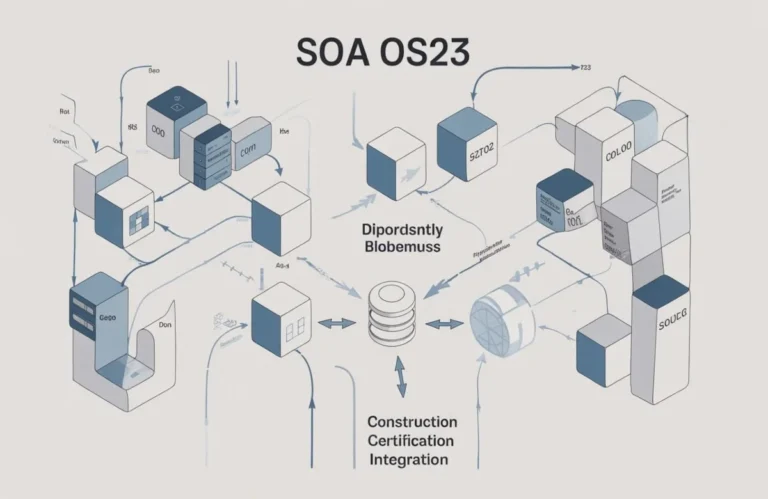
This approach aligns with the philosophy of adaptive standards like SOA OS23 and Agile DevOps, where systems remain dynamic, secure, and scalable.
In Business Strategy
Businesses that embrace felixing build resilient ecosystems. Instead of rigid hierarchies, they create cross-functional teams empowered to experiment and learn.
It is organization doesn’t fear change — it thrives on it. It encourages open communication, flexible roles, and real-time learning loops to keep innovation constant.
Real-World Example: Spotify’s Felixing Culture
One of the best-known examples of felixing in action is Spotify’s agile squad model.
Spotify organizes its workforce into small, autonomous teams called squads, each responsible for specific goals. These squads are free to choose their tools, set timelines, and adapt workflows based on evolving project needs.
This system promotes felixing by combining autonomy with alignment — teams remain innovative yet connected to the company’s larger mission. As a result, Spotify continually evolves without losing its identity or speed of innovation.
This approach inspired numerous global organizations to adopt similar “squad” or “pod” structures to enhance adaptability.
Benefits of Felixing
-
Increased Adaptability: Quickly adjust to market or technological shifts.
-
Higher Employee Engagement: Empowered teams stay motivated and creative.
-
Sustainable Innovation: Continuous experimentation leads to consistent progress.
-
Reduced Burnout: Balanced flexibility prevents exhaustion and anxiety.
-
Improved Customer Experience: Agile responses to feedback create loyal customers.
Challenges in Practicing Felixing
While felixing promises flexibility, it’s not without challenges. Organizations often confuse flexibility with a lack of direction. Without strong leadership, felixing can lead to scattered priorities and burnout.
Another issue is measuring success. Since It is about adaptability and well-being, traditional KPIs may not capture its true value. Companies need new metrics — like innovation rate, psychological safety, and learning velocity — to assess progress.
Finally, mindset resistance is common. Teams accustomed to rigid structures may struggle to embrace change. Overcoming this requires clear communication, leadership buy-in, and training.
How to Implement Felixing in Your Organization
To embed felixing effectively, leaders should start small and scale gradually. Begin with pilot teams that test flexible work arrangements, modular project structures, or adaptive decision-making frameworks.
Encourage open feedback and adjust based on employee insights. Invest in tools that support asynchronous collaboration and real-time monitoring. Above all, maintain transparency and psychological safety so teams can experiment without fear.
For individuals, Its means managing time and energy, not just tasks. It’s about building habits of reflection, learning, and mindful adaptability. Over time, these small actions create lasting organizational change.
Felixing vs Traditional Flexibility
| Aspect | Traditional Flexibility | Felixing |
|---|---|---|
| Mindset | Reactive adjustment | Proactive adaptation |
| Focus | Individual freedom | Collective resilience |
| Outcome | Short-term relief | Long-term sustainability |
| Structure | Loose and undefined | Flexible yet guided |
| Measurement | Hours or output | Learning and innovation rate |
This comparison shows why It is not just a buzzword — it’s a refined, structured approach to thriving in uncertainty.
The Future of Felixing
As remote work, AI, and digital transformation reshape industries, It is becoming a strategic necessity. Organizations capable of rapid yet grounded adaptation will lead the next wave of innovation.
According to a McKinsey report, companies with adaptable cultures outperform competitors by up to 60% in productivity and retention. That’s the power of felixing — it doesn’t just respond to change; it leverages it.
Future-forward companies will treat felixing as a leadership philosophy and cultural blueprint — ensuring success no matter how turbulent the environment becomes.
Also Read This Blog: SOA OS23: Understanding the Dual Meaning Behind
Conclusion: Make Felixing Your Competitive Edge
It is more than a concept — it’s a movement towards smarter, more resilient ways of working and living. In a world that demands constant evolution, the ability to flex intelligently, not impulsively, defines lasting success.
Whether you’re an entrepreneur redesigning your workflow or a leader managing global teams, embracing felixing can help you stay agile, focused, and fulfilled.
Start small — redesign one system, empower one team, or reframe one process — and watch the ripple effect unfold.
Ready to master the art of felixing? Begin today, and turn flexibility into your organization’s greatest advantage.
FAQs
1. What is felixing?
It is means creating flexible systems and mindsets that adapt to change while maintaining purpose and structure.
2. How does felixing differ from flexibility?
It is proactive adaptability — anticipating and shaping change, not just reacting to it.
3. Can felixing improve employee engagement?
Yes. It builds autonomy, trust, and creative freedom, boosting motivation and satisfaction.
4. What’s a real-world example of felixing?
Spotify’s agile squads show how felixing empowers innovation through autonomy and collaboration.
5. How can I apply felixing personally?
Start by managing time, learning continuously, and viewing change as an opportunity, not a threat.